Wednesday, February 5, 2014

Kala Chandra and Kaduveli Sittar

Saint Tirugnanasambandar had praised the Lord of the temple in Thevaram hymn as one wearing the sacred ash, accompanied by the daughter of the Mount (Parvatha Rajakumari), one who stripped the skin of the wild elephant, wearing the crescent moon and worshipped by those of impeccable traits, all merciful in Irumbai. This is the 32nd Shiva temple in Nadunadu region praised in Thevaram hymns.

Lord Shiva in the temple is a swayambumurthy. Shivalinga in the temple is split into three parts with three faces. All the three faces are covered by a copper plate and pujas performed. It is said that the three faces represent three Lords Brhamma, Vishnu and Shiva. This form of Lord Shiva is very rare in temples.

Sri Vinayaka of the temple is worshipped as Lord Sundara Ganapathi.  The vimana, tower above the sanctum sanctorum is of Ekadala design.  The temple is praised in the hymns of Saint Gnanasambandar and Arunagirinathar.  Lord Nataraja graces from a shrine left of that of Ambica.  His leg is seen slightly folded which is attributed to His pleasant state of mind.   There is a fire circle around Lord Nataraja, Mother Shivakami, a rare darshan for the devotees.  As this shrine is just before that of Ambica, the devotee can have the darshan of presiding Shiva, Nataraja and Ambica simultaneously.  Behind is the shrine of Lord Muruga with six faces accompanied by His consorts Valli and Deivanai.  Kalabhairava graces from a separate shrine facing south.

A Rishi, Maakalar by name, during his pilgrimage installed one Linga in Ujjaini in North and one at Ambar Makala near Mayiladuthurai in South and worshipped them. Coming to know the reputation of this place, he installed one Linga here too and named the Lord Mahalanathar. Devotees perform special abishek to Lord with vastras on realizing their wish.

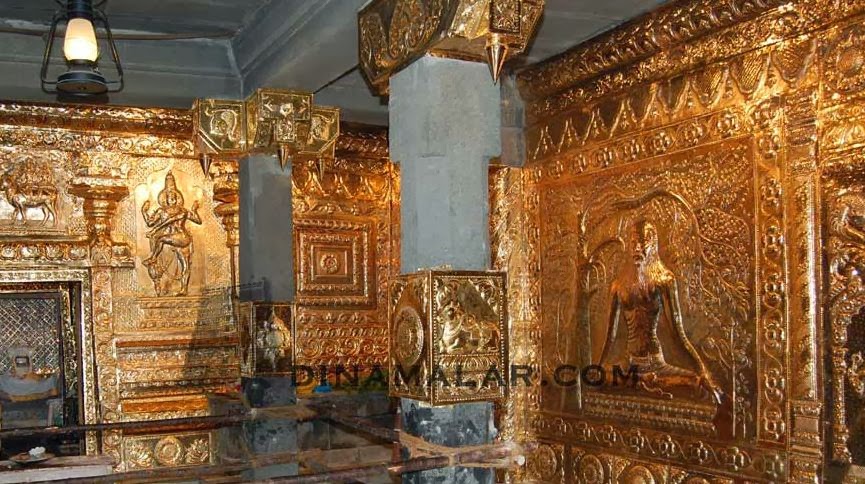
A Siddha known as Kaduveli Siddha was performing penance sitting under a peepal tree(Arasa Maram).  It was drought time in the place and people were suffering from poverty.  Assuming that rain failed in the place due to Siddha’s penance, the king sent a woman of enticing beauty to spoil Siddha’s penance.  When the Siddha woke up from the penance, the king told him that he only did it doubting that his penance would have caused the monsoon failure.  On hearing the king, Siddha stopped his penance, stayed there and was serving Lord Shiva.  The place became prosperous with good rain and crop.

People celebrated a festival in praise of Lord.  The woman who disturbed the penance was dancing before the Lord in procession when her anklet got loose and fell off.  To avoid the merriment of the celebration, Siddha took the anklet and fixed it back on the leg of the Devadasi.  People began to mock at the Siddha blaming him of his strange behaviour.  Angry Siddha sang on the Lord saying that he gave up the penance for the sake of the people who are now misunderstanding him.  The Linga in the temple split into three.  King fell at the feet of the Siddha and apologized.  Siddha sang again forgiving the king.  The split parts joined again, Lord Shiva appeared and granted salvation to the Siddha.

Mother Ambica is worshipped as Kuyil Mozhi Nayaki – Ambica with a voice as sweet as that of nightingale.  She is seated on a Lotus designed peeta facing south with features of Mother Mahalakshmi the Goddess of Wealth.  Ambica was watching the penance of of Kaduveli Sidda and was telling Lord the greatness of his penance in her sweet voice, hence, the name Kuyil Mozhi Nayaki.  People use to perform abishek to Ambica with honey and consume it seeking Her blessing for a sweet voice and mastery of fine arts.

Lord Moon-Chandra has His shrine in the prakara facing west, holding a palm leaf praised as "Kala Chandra".  Devotees worship him with milk rice seeking His blessings to shine in education and arts. All the 9 planets in the Navagraha shrine are with their spouses.  Sun is on Lotus peeta in sitting form with His legs folded with his spouses Usha and Pradusha on His lap.  This is a rare darshan of Sun.


Moolavar : Maha Kaleswarar
Urchavar : Chandrashekarar
Amman / Thayar :  Kuyilmozhi Nayaki
Thala Virutcham :  Punnai
Theertham : Makala Theertham
Agamam / Pooja : Shivagama
Old year : 1000-2000 years old
Historical Name : Tiru Irumbai Makalam
City : Irumbai
District : Viluppuram
State :  Tamil Nadu


Shri Mahakaleswarar Temple, Irumbai-605 010, Arovil. Villupuram district.


Kaduveli Siddha

Thirumurai 2.117


திருவிரும்பைமாகாளம்

பாடல் எண் : 1

மண்டுகங்கை சடையிற் கரந்தும் மதிசூடிமான்
கொண்டகையாற் புரமூன் றெரித்த குழகன்னிடம்
எண்டிசையும் புகழ்போய் விளங்கும் இரும்பைதனுள்
வண்டுகீதம் முரல்பொழில் சுலாய்நின்ற மாகாளமே.

பாடல் எண் : 2

வேதவித்தாய் வெள்ளைநீறு பூசி வினையாயின
கோதுவித்தாய் நீறெழக் கொடிமா மதிலாயின
ஏதவித்தா யினதீர்க் கும்மிடம் இரும்பைதனுள்
மாதவத்தோர் மறையோர் தொழநின்ற மாகாளமே.

பாடல் எண் : 3

வெந்தநீறும் எலும்பும் அணிந்த விடையூர்தியான்
எந்தைபெம்மா னிடம்எழில் கொள்சோலை யிரும்பைதனுள்
கந்தமாய பலவின் கனிகள் கமழும்பொழில்
மந்தியேறிக் கொணர்ந்துண் டுகள்கின்ற மாகாளமே.

பாடல் எண் : 4

நஞ்சுகண்டத் தடக்கி நடுங்கும் மலையான்மகள்
அஞ்சவேழம் உரித்த பெருமான் அமரும்மிடம்
எஞ்சலில்லாப் புகழ்போய் விளங்கும் இரும்பைதனுள்
மஞ்சிலோங்கும் பொழில்சூழ்ந் தழகாய மாகாளமே.

பாடல் எண் : 5

பூசுமாசில் பொடியான் விடையான் பொருப்பான்மகள்
கூசவானை யுரித்தபெரு மான்குறை வெண்மதி
ஈசனெங்கள் இறைவன் னிடம்போல் இரும்பைதனுள்
மாசிலோர்கண் மலர்கொண் டணிகின்ற மாகாளமே.

பாடல் எண் : 6

குறைவதாய குளிர்திங்கள் சூடிக் குனித்தான்வினை
பறைவதாக்கும் பரமன் பகவன் பரந்தசடை
இறைவனெங்கள் பெருமான் இடம்போல் இரும்பைதனுள்
மறைகள்வல்லார் வணங்கித் தொழுகின்ற மாகாளமே.

பாடல் எண் : 7

பொங்குசெங்கண் அரவும் மதியும் புரிபுன்சடைத்
தங்கவைத்த பெருமானென நின்றவர் தாழ்விடம்
எங்குமிச்சை யமர்ந்தான் இடம்போல் இரும்பைதனுள்
மங்குல்தோயும் பொழில்சூழ்ந் தழகாய மாகாளமே.

பாடல் எண் : 8

நட்டத்தோடு நரியாடு கானத்தெரி யாடுவான்
அட்டமூர்த்தி யழல்போ லுருவன் அழகாகவே
இட்டமாக இருக்கும் இடம்போல் இரும்பைதனுள்
வட்டஞ்சூழ்ந்து பணிவார் பிணிதீர்க்கும் மாகாளமே.

பாடல் எண் : 9

அட்டகாலன் றனைவவ் வினான்அவ் வரக்கன்முடி
எட்டுமற்றும் மிருபத்திரண் டும்இற வூன்றினான்
இட்டமாக விருப்பா னவன்போல் இரும்பைதனுள்
மட்டுவார்ந்த பொழில்சூழ்ந் தெழிலாரும் மாகாளமே.

பாடல் எண் : 10

அரவமார்த்தன் றனலங்கை யேந்தி யடியும்முடி
பிரமன்மாலும் அறியாமை நின்ற பெரியோனிடம்
குரவமாரும் பொழிற்குயில்கள் சேரும் இரும்பைதனுள்
மருவிவானோர் மறையோர் தொழுகின்ற மாகாளமே.

பாடல் எண் : 11

எந்தையெம்மான் இடம்எழில் கொள்சோலை யிரும்பைதனுள்
மந்தமாய பொழில்சூழ்ந் தழகாரு மாகாளத்தில்
அந்தமில்லா அனலாடு வானையணி ஞானசம்
பந்தன்சொன்ன தமிழ்பாட வல்லார்பழி போகுமே.

concealing the river Kankai which flows swiftly in the caṭai.
wearing a crescent.
the place of the youth who holds a deer in his hand and burnt the three cities.
in Irumpai whose fame has spread in all the eight directions and is eminent.
is the temple, mākāḷam surrounded by gardens where bees hum like music.

Civaṉ is the origin of the Vētams.
you exterminated all acts by smearing white sacred ash.
the place which removes the causes of faults.
is mākāḷam in irumpai which is worshipped by great sages and brahmins who have learnt the vetam.

Civaṉ adorns himself with well-burnt sacred ash and bones;
has a bull as his vehicle.
the place of our father and god.
in irumpai which has gardens of beauty.
is mākālam where the female monkeys climb up the gardens in which the fragrant fruits of the jack-trees spread their fragrance, bring the fruit, eat them and leap.

containing the poison in the neck.
the place of the god who flayed an elephant, to make the trembling daughter of the mountain to be frightened.
is irumpai which is eminent by its never-decreasing fame which has spread far and wide.
is mākālam which is beautiful by being surrounded by gardens tall enough to touch the clouds.

Civaṉ smears himself with a white sacred ash which is without darkness.
has a bull.
the god who flayed an elephant to make the daughter of the mountain shrink back from fear.
the Lord of the universe who wears a white crescent.
the place of our master;
expletive.
is mākaḷam in irumpai where devotees of spotless character adorn him with flowers.

Civaṉ danced wearing a cool crescent.
the supreme god who decrease gardually the acts of his devotees and who has the six attributes.
the Lord who has a spread-out catai.
the place of our god.
is mākāḷam in irumpai which the brahmins well-versed in vētams pay homage to, and worship with joined hands.

the abode of Civaṉ who remains to be praised as the god caused to stay in his twisted murky caṭai a cobra with red eyes, bursting in anger and a crescent.
the place of Civaṉ who stays everywhere out of his free will.
is beautiful mākāḷam in irumpai surrounded by gardens on which clouds settle.

Civaṉ dances in fire in the cremation-ground where jackals dance with.
has eight forms.
has the colour like the fire.
the place where he stays beautifully, desiring it.
is mākāḷam in irumpai which removes the diseases of those who pay homage by going from left to right.

Civaṉ took away the life of Kālaṉ who previously killed living beings.
Civaṉ fixed his toe to crush the ten heads and twenty shoulders all totalling thirty, of that arakkaṉ.
Civaṉ dwells in mākāḷam surrounded by gardens in which honey pours, in irampai out of his will.

the place of the god who tied a cobra and who holds fire in the palm and whose feet and head Piramaṉ and Māl could not know.
is mākāḷam which the celestials and brahmins worship by long practice in irumpai where in the gardens where in the bottle-flowers trees many indian cuckoos gather.

in mākāḷam which is beautiful being surrounded by gardens in which the southern breeze moves, in irumpai which has beautiful gardens and which is the abode of our father and god.
about Civaṉ who dances in fire which does not extinguish.
the reproach of those who can sing the tamiḻ verses composed by beautiful Nyaṉacampantaṉ, will take leave of them.

Tuesday, February 4, 2014

Thoodhuvalai Keerai cure asthma, cold and cough


The temple is praised by the three saints of Saivism-Appar, Sambandar and Sundarar.  This is the 55th Lord Shiva temple on the southern bank of Cauvery praised in hymns.

Mahakalanathar Temple, Thirumakalam, Tiruvarur district.

Mother Kali and Nagarajan the serpent had worshipped Lord in this temple.  The east facing 5 tier Rajagopuram has vast inner space.  On the right are the Alankara Mandapa and the Marudappar shrine on the left.  Mokshalingam, Kali koil, Shivalokanathar shrines, yaga sala are in the prakara.  The second tower is known as Adhikara Nandhi Gopuram.  In the prakara here are the shrines of Lord Vanmeeka Nathar, Somasimarar and his spouse Susheelai, 63 Nayanmars, Lord Vinayaka, Lord Muruga and Sattanathar at the top of the tower, Mother Mahalakshmi, Eesana (northeast) Jwarahara Lingas, Navagrahas the nine planets, Nataraja hall-Mandap, Sani Bhagwan, Bhairava and Lord Dandapani.

Two demons, Amban and Ambarasuran planned to wed Mother Parvathi.  Knowing their plan, Mother took the form of Kali and destroyed them.  She thus incurred the sin Brahmmahathi dosha.  To relieve Herself from the sin, She installed a Shivalinga here and performed archanas with Vilwa leaves.  As Kali performed Shiva Puaja here, the Lord is known as Makalanathar.

Sage Madanga Maharshi sought child boon from Lord Shiva.  He was blessed with a girl child and was named Rajamadangi.  When She grew, Lord appeared before Her and asked about Her wish.  Rajamadangi said that She wanted to be with Him in Wedding form.  Based on this event, those facing delays in wedding offer two garlands to Mother and then wear one of them on self.

Lord Vinayaka with a human face and Adhi Skanda grace the devotees in the temple.  As Lord Vinayaka came here to take part in the yajna of Somasimarar with a human face, it is said that He had stayed here in the same form.  It is also our belief that 8 serpents are holding the earth, Vasuki one among them.  There is a shrine for Vasuki in the temple.

Lord Makaleswara in the temple is believed to be the authority to decide the longevity of people.  People pray for longevity here and also Lord Shiva in Ujjain and in Irumbai near Villupuram.

Somasimarar, one among the celebrated 63 Nayanmars was residing here with his wife Susheelai.  He wanted to conduct the Soma Yajna and aspired that Lord Shiva Himself should be present in the yaga sala to accept the Havir Baga the fruits of the yajna.  To invite the Lord, it was necessary to secure the help of Saint Sundarar who was suffering from coughing then.  To cure him of the coughing, Nayanar sent herbal leaves called Thoodhuvalai Keerai every day.  Sundarar did not know who sent the medicine to him but his spouse Sangiliar knew the person.  When relieved, Sundarar came to see Somasiar to thank him.


Somasimarar sought the help of Sundarar to get Lord to be present in his Yajna and Sundarar was too happy to take up the mission and secured the consent of Lord.  Lord promised to be present on the Ayilya star day in Vaikasi (May-June).  As Lord Himself would be attending the yajna, Vedic scholars, sages from all corners gathered at the yajna spot.  Lord came there as low caste born with four dogs representing four Vedas and a dead calf.  He was accompanied by Mother Parvathi, Vinayaka and Muruga.  As a Neecha-low born appeared there, all were afraid that there was something seriously wrong in the procedures of Yajna.  Lord Vinayaka appeared in His true form and told Somasimarar that the visitor was no less a person than Lord Shiva Himself.  Somasimarar joy knew bounds.  He did all honours  to Lord Shiva Thyagaraja and offered the Havir Bagha.  Lord left his Neecha form and granted darshan to Somasimarar with Mother Parvathi and made him one among the Nayanmars.

Moolavar : Mahakalanathar, Kalakandeswarar
Amman / Thayar: Bayakshambikai, Acham Thavirtha Nayaki
Thala Virutcham: Marudham, Karungali
Theertham : Mahakala theertham
Old year : 1000-2000 years old
Historical Name : Thiruvambar Makalam
City : Thirumakalam
District : Tiruvarur

Thirumurai 1.83

திருஅம்பர்மாகாளம்

பாடல் எண் : 1

அடையார் புரமூன்று மனல்வாய் விழவெய்து
மடையார் புனலம்பர் மாகா ளம்மேய
விடையார் கொடியெந்தை வெள்ளைப் பிறைசூடும்
சடையான் கழலேத்தச் சாரா வினைதானே.

பாடல் எண் : 2

தேனார் மதமத்தந் திங்கள் புனல்சூடி
வானார் பொழிலம்பர் மாகா ளம்மேய
ஊனார் தலைதன்னிற் பலிகொண் டுழல்வாழ்க்கை
ஆனான் கழலேத்த வல்ல லடையாவே.

பாடல் எண் : 3

திரையார் புனலோடு செல்வ மதிசூடி
விரையார் பொழிலம்பர் மாகா ளம்மேய
நரையார் விடையூரு நம்பான் கழனாளும்
உரையா தவர்கண்மே லொழியா வூனம்மே.

பாடல் எண் : 4

கொந்தண் பொழிற்சோலைக் கோல வரிவண்டு
மந்தம் மலியம்பர் மாகா ளம்மேய
கந்தங் கமழ்கொன்றை கமழ்புன்சடை வைத்த
எந்தை கழலேத்த விடர்வந் தடையாவே.

பாடல் எண் : 5

அணியார் மலைமங்கை யாகம் பாகமாய்
மணியார் புனலம்பர் மாகா ளம்மேய
துணியா ருடையினான் றுதைபொற் கழனாளும்
பணியா தவர்தம்மேற் பறையா பாவம்மே.

பாடல் எண் : 6

பண்டாழ் கடனஞ்சை யுண்டு களிமாந்தி
வண்டார் பொழிலம்பர் மாகா ளம்மேய
விண்டார் புரம்வேவ மேருச் சிலையாகக்
கொண்டான் கழலேத்தக் குறுகா குற்றம்மே.

பாடல் எண் : 7

மிளிரும் மரவோடு வெள்ளைப் பிறைசூடி
வளரும் பொழிலம்பர் மாகா ளம்மேய
கிளரும் சடையண்ணல் கேடில் கழலேத்தத்
தளரும் முறுநோய்கள் சாருந் தவந்தானே.

பாடல் எண் : 8

கொலையார் மழுவோடு கோலச் சிலையேந்தி
மலையார் புனலம்பர் மாகா ளம்மேய
இலையார் திரிசூலப் படையான் கழனாளும்
நிலையா நினைவார்மே னில்லா வினைதானே.

பாடல் எண் : 9

சிறையார் வரிவண்டு தேனுண் டிசைபாட
மறையார் நிறையம்பர் மாகா ளம்மேய
நறையார் மலரானும் மாலும் காண்பொண்ணா
இறையான் கழலேத்த வெய்தும் மின்பம்மே.

பாடல் எண் : 10

மாசூர் வடிவின்னார் மண்டை யுணல்கொள்வார்
கூசா துரைக்குஞ்சொற் கொள்கை குணமல்ல
வாசார் பொழிலம்பர் மாகா ளம்மேய
ஈசா வென்பார்கட் கில்லை யிடர்தானே.

பாடல் எண் : 11

வெரிநீர் கொளவோங்கும் வேணு புரந்தன்னுள்
திருமா மறைஞான சம்பந் தனசேணார்
பெருமான் மலியம்பர் மாகா ளம்பேணி
உருகா வுரைசெய்வா ருயர்வா னடைவாரே.

discharging an arrow to make all the three cities of the enemies to fall into fire.
if people praise the feet of Civaṉ who wears a white crescent on his caṭai, and our father who has a flag of a bull and who dwells in ampar mākaḷan which has sluices for the flow of water.
Karmams will not approach them.

wearing datura flowers of abundant honey, crescent and water.
Civaṉ who dwells in amparmākalam which has tall gardens which seem to touch the sky.
afflictions will not come near any one if he praises the feet of Civaṉ who does not cease from the life of wandering for alms receiving it in a skull which has flesh.

wearing the crescent in a flourishing state with water of roaring waves.
Civaṉ who dwells in ampar mākāḷam which has fragrant gardens.
defect will not cease from those who do not speak daily about the feet of Civaṉ who rides on a white bull

Civaṉ who dwells in Ampar Mākāḷam where there is always balmy southern breeze and beautiful bestles with lines on their bodies in the big and small gardens which blossom flowers in bunches.
if one praise the feet of our father who has a spreading caṭai gold in colour on which the koṉṟai spreads in fragrance.
sufferings will not come here him.

Civaṉ has on his body as a half the daughter of the mountain who is badecked with ornaments.
who is in Ampar Mākāḷam which has deep water resembling sapphire;
sins of those who do not worship the golden feet of Civaṉ which wear tight kaḻal, who wears a loin-cloth torn from a big one, will not vanish.

having consumed the poison which rose in the deep ocean, long ago.
and feeling very happy.
Civaṉ dwells in amparmākāḷam which has fragrant gardens.
faults will not come near one if he praises the feet of Civaṉ who used as a bow the mountain, mēru to burn the cities of the enemies.

Civaṉ wore on his head a white crescent along with a shining cobra.
who dwells in amparmākāḷam which has flourishing gardens.
if one praises the feet which do not know destruction, of the chief who has a shining caṭai the big diseases will become enfealed;
the fruits of penance will reach them.

Civaṉ who is in amparmākāḷam which has water with waves like mountains, holding a beautiful bow with a battle-axe which can be used in killing Karmams will stay with those who meditate upon the feet of Civaṉ who has a trident of three blades, without a wavering mind.
(In this decade there is no reference to Irāvaṇaṉ in the 8th verse, as usual).

Civaṉ who dwells in amparmākālam where brahmins throng and the bees with lines on the wings hum like music having sucked the honey.
pleasure will reach of its own accord, people who praise the feet of Civaṉ who could not be seen by Piramaṉ in the lotus flower having honey, and Māl.

accepting the words of the amaṇar who have dirty bodies and buddhists who eat their food in an earthern vessel resembling in shape the skull, which they talk without any shyness, is not good.
there will be no afflictions to those who praise Civaṉ as the Lord in amparmākāḷam which has fragrant gardens

thinking with esteem Amparmākāḷam of the chief of the celestials, the songs composed by Ñāṉacampantaṉ who has the wealth of knowledge of the Vētam-s, and who is a native of Vēṇupuram which rose above the frightfull deluge which engulfed the world.
those who recite them their hearts softened, will reach the superior heaven.

Monday, February 3, 2014

Gokaranam - Pasu karanam

Saint Thirunavukkarasar praises this shrine in his Thevaram hymns

This is one of the many places where Lord Shiva is swayambu.  Goddess in the river form is worshipped as Tambra Gouri.  Those expecting to be married pray here.

Ambika in river form: As the Lord is in the form of mount as in Kailash and the Goddess in the form of River, it is believed that She flows here as a river.  The mount and the river are adjacent to each other here.  Girivalam is very famous in places where Lord Shiva is in hill form.  Here, Girivalam is not possible due to the river flowing.  This is a salvation sthala – place.
  
Devotees perform Pithru pujas for their departed ancestors.  It is hoped that even if they were in hell, they would be shifted to heaven.  A dip in the river and worship of Lord Shiva would release a person suffering even from Brahmmahathi dosha –a sin equal to committing murder.  Every good deed performed here would yield multiple benefits.  The Linga is just of a thumb size.  Devotees can perform the abishek themselves.  Sage Agasthya had worshipped here.  Gnanasambandar had praised the Lord in his hymns.  For the salvation of the dead, a special performance is conducted here daily known as Pisasu Moksham.

Rudra Bhoomi: Dissatisfied with the creations of Brahmma, Rudra created Boodha Ganas to destroy the world.  Lord Vishnu appeared before Rudra and advised him to do the destruction only at the Pralaya time and till then he should stay here and gift boons to the devotees.  Rudra agreed.  So, the place is also known as Rudra Boomi.

Tambra Gouri:  While Brahmma was in deep contemplation, Parvathi facing the wrath of Rudra, then running as a river, appeared on His hand.  Brahmma said that she would soon become the consort of Rudra-Shiva.  Parvathi performed penance in the form of river in Tambra Mount.  Pleased with her devotion, Rudra married her and the place came to be known Vaivashika Parvatham Wedding Mount.  Goddess became Tambra Gouri.  The river is just opposite the temple.


The story of the place is almost identical to the one Vibishana carrying the idol of Sri Ranganatha to Sri Lanka. When we see Lord Ganapathy, the tradition is that we slap (Kuttu) on the two sides of our forehead as a mark of worship. Here in Gokarnam, Ganapathy had to receive this Kuttu that too from Ravana. As a staunch Shiva devotee, Ravana came to know the reputation of the Pranalinga here, began penance to get the Pranalinga and take it to his place. Knowing the plan of Ravana, Devarishi Naradha went to Indira the king of Devas and told him that once the Pranalinga goes to Lanka, the Devas would lose their power and asked to prevent the ensuing danger. Yet, before Indira took steps, Ravana pleased the Lord and got the Pranalinga and proceeded to Lanka. 

Lord Easwara (Shiva) while gifting the Linga to Ravana also stipulated a condition. The Lord said that he should go to Lanka only by walk and should not place the Linga on the ground till he reached his destination. Indira appealed to Lord Vishnu to protect the Devas from future dangers. Lord Vishnu knows that Ravana would not fail to perform the evening prayers-Sandhyvandana. He called Ganapathy, advised him to go round Ravana in the form of a Brahmmachari. When the prayer time came, as expected, Ravana saw Ganapathy and requested him to hold the Linga till he returned from the prayer and also requested him not to place it on the ground. Lord Ganapathy accepted his request on condition that when he felt the weight of the Linga and could not bear it, He would call Ravana thrice and if he did not turn up, He would leave the Linga on the ground. Lord Vishnu then placed His hand between earth and sky and created the evening. 

Ravana thought it was time for Sandhyavandana and sought the help of Ganapathy. The Devas applied all the weight of the world on the Prana Linga which Ganapathy could not bear. He cried thrice but Ravana could not reach him and the Linga was placed on the ground.

The Linga has been placed on the ground it was going down into pathalam. When Ravana returned from Sandhyavandana prayers, noticed the Linga has been installed in pathalam, in anger Ravana tried to lift the Linga with his 20 hands but failed, then Ravana leave the Linga there and went to Lanka. 

The Devas was happy and built the temple around the Linga was installed. Temple known as Gokarna Sivan Temple. Near to the temple there is shrine for Ganapathy in standing posture.

Sri Mahabaleswarar Temple, Gokarnam, Karnataka


Sri Mahabaleswarar temple
Old year :  1000-2000 years old
City : Tirukokarnam
District : Uttara Kannada
State : Karnataka

இத்தலத்தின் வரலாறு, விபீஷணன் ரங்கநாதரை இலங்கைக்கு கொண்டு சென்றதை கணபதி தடுத்ததை ஒத்துள்ளது. கணபதியைப் பார்த்தால் பக்தர்கள் தான் தலையில் குட்டிக் கொள்வார்கள். ஆனால், இத்தலத்தில் குட்டு வாங்கிய கணபதி இருக்கிறார். இங்குள்ள பிராணலிங்கத்தின் பெருமையை கேள்விப்பட்ட ராவணன் அதை இலங்கை கொண்டு செல்வதற்காக, கயிலை மலை வந்து, சிவனை வேண்டி கடும் தவம் இருந்தான்.

இதையறிந்த நாரதர் சொர்க்கலோகம் சென்று இந்திரனிடம், ""ராவணன் இந்த லிங்கத்தை கொண்டு சென்றால், தேவர்கள் பலமிழப்பார்கள். அதைத் தடுக்க வேண்டும்,''என்றார். உடனே இந்திரன் தேவர்களுடன் கைலாயம் சென்றான். அதற்குள் ராவணன் தன் தவத்தால் ஈசனை மகிழ்வித்து பிராணலிங்கத்தை பெற்று இலங்கை திரும்பிக்கொண்டிருந்தான்.

ஈசன் இந்த லிங்கத்தை ராவணனிடம் கொடுக்கும் முன், ""ராவணா! நடந்து தான் இலங்கைக்கு கொண்டு செல்ல வேண்டும். அத்துடன் எந்தக்காரணத்தை கொண்டும் இதை கீழே வைக்க கூடாது. அப்படி வைத்தால் அது திரும்ப வராது,''என கூறி அனுப்பியிருந்தார். அவனிடமிருந்து அந்த லிங்கத்தைக் கைப்பற்ற எண்ணிய விஷ்ணு, ராவணன் சந்தியாவந்தனம் செய்வதில் காலம் தாழ்த்த மாட்டான் என்பதை அறிந்து, கணபதியை அழைத்து,""நீ பிரமச்சாரி வேடத்தில் ராவணன் இருக்குமிடத்தில் சுற்றித்திரி. ராவணன் சந்தியாவந்தன நேரம் வந்தவுடன் லிங்கத்தை கீழே வைக்காமல் உன்னிடம் கொடுப்பான்.

நீ அவனிடம், லிங்கத்தின் பாரம் தாங்க முடியாத சமயத்தில் நான் மூன்று முறை உன்னை அழைப்பேன். அப்போது நீ வராவிட்டால், லிங்கத்தை கீழே வைத்து விடுவேன் என்று சொல்,'' என்றார். இவ்வாறு கூறிய விஷ்ணு தன் கரத்தை பூமிக்கும் வானத்திற்கும் இடையில் நிறுத்தினார். அப்போது மாலை வேளை போல் சற்றே இருள் கவிய, ராவணன் சந்தியாவந்தனம் செய்வதற்காக கையிலிருந்த லிங்கத்தை அருகில் நின்று கொண்டிருந்த கணபதியிடம் கொடுத்து விட்டு சென்றான். அப்போது தேவர்கள் மூன்று உலகங்களின் பாரத்தையும் அந்த பிராண லிங்கத்தின் மீது செலுத்தினர். இந்த லிங்கத்தின் பாரம் தாங்க முடியாத கணபதி மூன்று முறை ராவணனை அழைத்தார்.

அப்படி அழைத்தும் ராவணன் வராத காரணத்தினால் லிங்கத்தை கீழே வைத்துவிட்டார். உடனே அந்த லிங்கம் சப்த பாதாளங்களையும் தாண்டி கீழே சென்று ஊன்றி நிலைத்து விட்டது. இதனால் தேவர்கள் மகிழ்ந்தனர். சந்தியாவந்தனம் முடித்து வந்த ராவணன், லிங்கம் கீழே வைக்கப்பட்டிருந்ததை கண்டு கணபதியின் தலையில் கோபத்தில் குட்டினான். தன் 20 கைகளாலும் லிங்கத்தை தூக்கி பார்த்தான். முடியாமல் போனதால் அங்கேயே விட்டுவிட்டு இலங்கை சென்றான்.

பிறகு தேவர்கள் தேவசிற்பியை அழைத்து லிங்கத்தை சுற்றி கோயில் அமைத்தனர். அதுவே கோகர்ண சிவன் கோயிலாகும். அதன் அருகிலேயே கணபதி நின்ற கோலத்தில் அருள்பாலிக்கிறார். சிவனை மகாபலேஸ்வரர் என்றும், நதிவடிவிலுள்ள அம்பிகையை தாமிரகவுரி என்றும் அழைக்கின்றனர்.

கோகர்ணம்- பெயர் விளக்கம் முன்னொரு காலத்தில் படைக்கும் தொழிலை சிறப்பாக நிறைவேற்ற சிவன் கடும் தவம் இருந்தார். அப்போது அவரது நெற்றியிலிருந்து ருத்ரன் வெளிப்பட்டார். படைக்கும் தொழிலை சிறப்பாக செய்ய ருத்ரனே தகுதி வாய்ந்தவர் என்று அவரை வேண்டினார். ருத்ரரும் ஒப்புக்கொண்டு, தான் படைக்கும் சகல ஜீவராசிகளும் நல்ல குணத்துடனும் பலத்துடனும் விளங்க பாதாள உலகம் சென்று கடும் தவம் இருந்தார். இதற்குள் 3 யுகங்கள் கழிந்து விட்டன. எனவே பிரம்மா தானே உயிர்களை படைக்க தொடங்கினார்.

இதையறிந்த ருத்ரர் பயங்கர கோபத்துடன் பாதாள உலகிலிருந்து பிரம்மனிடம் வந்தார். ஆனால், அவரால் படைக்கப்பட்ட பெரிய உலகம் குறுக்கிட்டது. அவர் அதை நொறுக்கத் தொடங்கினார். பயந்து போன பூமாதேவி, ""இறைவா! தாங்கள் தயவு செய்து கோபம் குறைந்து, தங்கள் உருவை சிறிதாக்கி கொண்டு என் காதின் வழியாக மெதுவாக வாருங்கள்,''என கெஞ்சினாள்.

இவளது வேண்டுதலை ஏற்ற ருத்ரன் கட்டை விரல் அளவில் உடலை சிறிதாக்கி கொண்டு அவள் காதின் வழியே வெளியே வந்து, ""பூமாதேவியே! நான் பாதாள உலகில் இருந்து வெளியே வருவதற்கு நீ கருப்பையாக இருந்ததனால் இந்த இடம் "ருத்ரயோனி' என்றும், அதற்கு காரணமான நீ "கோ' (பசு) என்றும், உனது காது "கர்ணம்' என்றும் வழங்கப்படும் என்றார். அன்றிலிருந்து இத்தலம் "கோகர்ணம்' ஆனது. எனவே, இத்தலத்தை "காது துவார தலம்' என்றும் அழைக்கிறார்கள்.

Thirumurai 6.49

திருக்கோகரணம்

பாடல் எண் : 1

சந்திரனுந் தண்புனலுஞ் சந்தித் தான்காண்
தாழ்சடையான்காண் சார்ந்தார்க் கமுதா னான்காண்
அந்தரத்தி லசுரர்புரம் மூன்றட் டான்காண்
அவ்வுருவி லவ்வுருவ மாயி னான்காண்
பந்தரத்து நான்மறைகள் பாடி னான்காண்
பலபலவும் பாணி பயில்கின் றான்காண்
மந்திரத்து மறைப்பொருளு மாயி னான்காண்
மாகடல்சூழ் கோகரணம் மன்னி னானே.

பாடல் எண் : 2

தந்தவத்தன் தன்தலையைத் தாங்கி னான்காண்
சாரணன்காண் சார்ந்தார்க்கின் னமுதா னான்காண்
கெந்தத்தன் காண்கெடில வீரட் டன்காண்
கேடிலிகாண் கெடுப்பார்மற் றில்லா தான்காண்
வெந்தொத்த நீறுமெய் பூசி னான்காண்
வீரன்காண் வியன்கயிலை மேவி னான்காண்
வந்தொத்த நெடுமாற்கும் அறிவொ ணான்காண்
மாகடல்சூழ் கோகரணம் மன்னி னானே.

பாடல் எண் : 3

தன்னுருவம் யாவருக்குந் தாக்கா தான்காண்
தாழ்சடையெம் பெருமான்காண் தக்கார்க் குள்ள
பொன்னுருவச் சோதிபுன லாடி னான்காண்
புராணன்காண் பூதங்க ளாயி னான்காண்
மின்னுருவ நுண்ணிடையாள் பாகத் தான்காண்
வேழத்தி னுரிவெருவப் போர்த்தான் தான்காண்
மன்னுருவாய் மாமறைக ளோதி னான்காண்
மாகடல்சூழ் கோகரணம் மன்னி னானே.

பாடல் எண் : 4

ஆறேறு செஞ்சடையெம் ஆரூ ரன்காண்
அன்பன்காண் அணிபழனம் மேயான் றான்காண்
நீறேறி நிழல்திகழும் மேனி யான்காண்
நிருபன்காண் நிகரொன்று மில்லா தான்காண்
கூறேறு கொடுமழுவாட் படையி னான்காண்
கொக்கரையன் காண்குழுநற் பூதத் தான்காண்
மாறாய மதில்மூன்றும் மாய்வித் தான்காண்
மாகடல்சூழ் கோகரணம் மன்னி னானே.

பாடல் எண் : 5

சென்றச் சிலைவாங்கிச் சேர்வித் தான்காண்
தீயம்பன் காண்திரி புரங்கள் மூன்றும்
பொன்றப் பொடியாக நோக்கி னான்காண்
பூதன்காண் பூதப் படையா ளிகாண்
அன்றப் பொழுதே அருள்செய் தான்காண்
அனலாடி காண்அடியார்க் கமுதா னான்காண்
மன்றல் மணங்கமழும் வார்சடை யான்காண்
மாகடல்சூழ் கோகரணம் மன்னி னானே.

பாடல் எண் : 6

பிறையோடு பெண்ணொருபால் வைத்தான் றான்காண்
பேரவன்காண் பிறப்பொன்று மில்லா தான்காண்
கறையோடு மணிமிடற்றுக் காபா லிகாண்
கட்டங்கன் காண்கையிற் கபால மேந்திப்
பறையோடு பல்கீதம் பாடி னான்காண்
ஆடினான் காண்பாணி யாக நின்று
மறையோடு மாகீதங் கேட்டான் றான்காண்
மாகடல்சூழ் கோகரணம் மன்னி னானே.

பாடல் எண் : 7

மின்னளந்த மேல்முகட்டின் மேலுற் றான்காண்
விண்ணவர்தம் பெருமான்காண் மேவி லெங்கும்
முன்னளந்த மூவர்க்கும் முதலா னான்காண்
மூவிலைவேற் சூலத்தெங் கோலத் தான்காண்
எண்ணளந்தென் சிந்தையே மேவி னான்காண்
ஏவலன்காண் இமையோர்க ளேத்த நின்று
மண்ணளந்த மாலறியா மாயத் தான்காண்
மாகடல்சூழ் கோகரணம் மன்னி னானே.

பாடல் எண் : 8

பின்னு சடைமேற்பிறை சூடி னான்காண்
பேரருளன் காண்பிறப்பொன் றில்லா தான்காண்
முன்னி யுலகுக்கு முன்னா னான்காண்
மூவெயிலுஞ் செற்றுகந்த முதல்வன் றான்காண்
இன்னவுரு வென்றறிவொண் ணாதான் றான்காண்
ஏழ்கடலு மேழுலகு மாயி னான்காண்
மன்னும் மடந்தையோர் பாகத் தான்காண்
மாகடல்சூழ் கோகரணம் மன்னி னானே.

பாடல் எண் : 9

வெட்ட வெடித்தார்க்கோர் வெவ்வழ லன்காண்
வீரன்காண் வீரட்டம் மேவி னான்காண்
பொட்ட அநங்கனையும் நோக்கி னான்காண்
பூதன்காண் பூதப் படையி னான்காண்
கட்டக் கடுவினைகள் காத்தாள் வான்காண்
கண்டன்காண் வண்டுண்ட கொன்றை யான்காண்
வட்ட மதிப்பாகஞ் சூடி னான்காண்
மாகடல்சூழ் கோகரணம் மன்னி னானே.

பாடல் எண் : 10

கையாற் கயிலை யெடுத்தான் தன்னைக்
கால்விரலால் தோள்நெரிய வூன்றி னான்காண்
மெய்யின் நரம்பிசையாற் கேட்பித் தாற்கு
மீண்டே யவற்கருள்கள் நல்கி னான்காண்
பொய்யர் மனத்துப் புறம்பா வான்காண்
போர்ப்படையான் காண்பொருவா ரில்லா தான்காண்
மைகொள் மணிமிடற்று வார்சடை யான்காண்
மாகடல்சூழ் கோகரணம் மன்னி னானே.

He keeps the river and the moon juxtaposed;
He is Of dazzling matted hair;
He is nectar unto them That depend on Him;
He smote the three skyey towns Of the Asuras;
He becames the beauteous form in which He is hailed;
He sang the four musical Vedas;
He plays The instruments of taalam in manifold ways;
He became The content of the Vedas rich in mantras;
He,
for ever,
Abides at Gokaranam upon the great main.

He holds the skull of him who fathered the world;
He moves everywhere;
He is Nectar unto them that depend On Him;
He is fragrance;
He is Virattan of the Gedilam;
He is the indestructible One;
He is One whom none can Destroy;
He daubs His body with the burnt ash;
He is The Hero;
He abides at the immense Kailas;
He is The unapproachable One to tall Maal who as His mount Bears Him;
He is beyond the ken of intellect;
He,
for ever,
Abides at Gokaranam upon the great main.

Unto none is His form manifested;
He is our Lord Of dazzling matted hair;
His form of auric flame Is experienced by the blessed;
He sports a river;
He is The perfect One ancient;
He became the lives;
He is Concorporate with Her of subtle and fulgurant waist;
He dreadfully mantled Himself in the hide of the tusker;
In His aeviternal form He chanted the Vedas;
He,
for ever Abides at Gokaranam upon the great main.

He is our Lord of Aaroor in whose red matted hair The river flows;
He is the loving One;
He is the Lord Who abides at beauteous Pazhanam;
His divine body Is bright with the ash;
He is the King;
He is unique;
He wields a cruel and cleft mazhu;
He plays On the kokkarai;
His hosts are the goodly Bhootas;
He smote the triple,
hostile and walled towns;
He,
for ever,
Abides at Gokaranam upon the great main.

He bent that bow (of Meru) and wielded it;
His dart was Agni;
He so cast His look on the three Mobile towns that they were reduced to powdery ash;
He is the Lord of lives;
His hosts are the Bhootas;
He instantaneously graces His adorers;
He bathes In the fire;
He is Nectar unto His servitors;
sweet And suaveolent is His spreading matted hair;
He for ever;
Abides at Gokaranam upon the great main.

He placed the crescent and a woman on a portion Of His crest;
He is the glorious One;
He is birthless;
He is Kaapaali of dark and beauteous throat;
He wields Kattangkam;
holding in His hand A skull He sang many a song to the beat of drum;
He danced rhythmically;
He is the Lord who heard The Vedas rendered most musically;
He,
for ever,
Abides at Gokaranam upon the great main.

He abides beyond the foudroyant vault of heaven;
He is the God of the Devas;
He is the Chief of the three Who held suzerainty everywhere;
He is the beauteous Wielder of the three-leaved trident;
fathoming My thought He abides in my chinta;
He is a hunter;
He is The One of gramarye hailed by the Devas standing,
Who is unknown to Maal who scaled the earth;
He,
for ever,
Abides at Gokaranam upon the great main.

He wore the crescent on His plaited,
matted crest;
Immense is His grace;
He is birthless;
by His sankalpa He manifested even before the worlds came into being;
He is the Primal One that smote in joy the three walled towns;
None knows what His form is;
He became the seven seas And the seven worlds;
the aeviternal Matron rests On one half of His body;
He,
for ever,
abides At Gokaranam upon the great main.

He became the blazing fire to them that contended vociferously;
He is the Hero;
He presides over Virattam;
by His look He smote Kaama;
He is every life;
His hosts are The Bhootas;
from cruel and fettering Karma He redeems men and fosters them;
like sugar He is Sweet;
He wears Kanrai whose nectar had been Eaten away by chafers;
He wears the semicircular crescent;
He,
for ever,
abides at Gokaranam upon the great main.

Pressing His toe,
He crushed his shoulders who lifted up The Kailas with his hands;
when with the veins Of his body he made music and caused Him hear He blessed him with manifold grace;
He keeps Away from the false-hearted;
He is the Lord Of martial weapons;
there is none to fight against Him;
He of the plaited,
matted hair has a dark neck;
He,
for ever,
abides at Gokaranam upon the great main.

Tuesday, January 28, 2014

All kinds of riches belongs to Sivan


Saint Gnanasambandar praises this shrine in his Thevaram hymns in the following lines.   Chakkarapally is graced by the Lord with his lightning bright long hair adored with Kondrai flowers and Moon and the golden snake.  It is a prosperous land of scholars of the four Vedas revered universally.    This is the 17th temple on the southern bank of Cauvery praised in Thevaram hymns.

The Presiding deity is majestically tall and is a Swayambu Linga. The shrine is praised in Tirupugazh by Saint Arunagirinathar

Sri Chakravakeswarar Temple, Ayyampettai, Thanjavur Dist.

In general terms among the people, the place is known as Ayyampettai.  As there are many places under this name, this is specifically called Thanjavur Ayyampettai.

The temple is facing east.  There is no flag post for the temple.  At the entrance, the shrine of the Goddess is on the right side.  The sanctum sanctorum is built of stone and the tower is on the west.  There are not too many sculptures in the tower. Around the corridor are the shrines of Vinayaka, Dakshinamurthy, Lingothbavar, Brahmma and Durga and Lord Muruga.

The Maha Mandapa has the shrines of Sun, Moon, Bhairavar and Nalvar the four saivite saints – Thirugnanasambandar, Thirunavukkarasar, Sundarar and Manickavasagar.

The epigraphy in the temple mentions the place as Rajaraja Chaturvedimangalam of fertile Chola Kingdom Vilanadu.  Another one contains the rules and regulations of the Sabha – Panchayat.  Only those above the age of 40 can contest election for the Sabha and he should not have contested for 10 years earlier.

The celestial beings called Devas and Jayandhan the son of Indira the king of Devas worshipped in this temple.  Lord Vishnu got His discus by worshipping Lord Shiva here, hence, the deity of the temple is named Chakravakeswarar.

The temple has also the reputation of one of the Sapthasthalas the seven important shrines worshipped by Brahmi, Maheswari, Gaumari, Vaishnavi, Varahi, Mahendri and Chamundi.

Lord Vishnu was blessed with the discus, and the bird Chakravala paravai worshipped Lord Shiva in the temple, are the two stories mention in the history of the place.

Moolavar: Chakravakeswarar
Amman / Thayar: Devanayaki
Theertham: River Cauveri and Kaka theertham
Historical Name: Ayyampettai
City : Chakkarapalli
District :Thanjavur

Thirumurai 3.27

திருச்சக்கரப்பள்ளி

பாடல் எண் : 1

படையினார் வெண்மழுப் பாய்புலித் தோலரை
உடையினார் உமையொரு கூறனார் ஊர்வதோர்
விடையினார் வெண்பொடிப் பூசியார் விரிபுனல்
சடையினார் உறைவிடஞ் சக்கரப் பள்ளியே.

பாடல் எண் : 2

பாடினார் அருமறை பனிமதி சடைமிசைச்
சூடினார் படுதலை துன்எருக் கதனொடும்
நாடினார் இடுபலி நண்ணியோர் காலனைச்
சாடினார் வளநகர் சக்கரப் பள்ளியே.

பாடல் எண் : 3

மின்னினார் சடைமிசை விரிகதிர் மதியமும்
பொன்னினார் கொன்றையும் பொறிகிளர் அரவமும்
துன்னினார் உலகெலாம் தொழுதெழ நான்மறை
தன்னினார் வளநகர் சக்கரப் பள்ளியே.

பாடல் எண் : 4

நலமலி கொள்கையார் நான்மறை பாடலார்
வலமலி மழுவினார் மகிழும்ஊர் வண்டறை
மலர்மலி சலமொடு வந்திழி காவிரி
சலசல மணிகொழி சக்கரப் பள்ளியே.

பாடல் எண் : 5

வெந்தவெண் பொடியணி வேதியர் விரிபுனல்
அந்தமில் அணிமலை மங்கையோ டமரும்ஊர்
கந்தமார் மலரொடு காரகில் பல்மணி
சந்தினோடு அணைபுனற் சக்கரப் பள்ளியே.

பாடல் எண் : 6

பாங்கினான் முப்புரம் பாழ்பட வெஞ்சிலை
வாங்கினார் வானவர் தானவர் வணங்கிட
ஓங்கினார் உமையொரு கூறொடும் ஒலிபுனல்
தாங்கினார் உறைவிடஞ் சக்கரப் பள்ளியே.

பாடல் எண் : 7

பாரினார் தொழுதெழு பரவுபல் லாயிரம்
பேரினார் பெண்ணொரு கூறனார் பேரொலி
நீரினார் சடைமுடி நிரைமலர்க் கொன்றையந்
தாரினார் வளநகர் சக்கரப் பள்ளியே.

பாடல் எண் : 8

முதிரிலா வெண்பிறை சூடினார் முன்னநாள்
எதிரிலா முப்புரம் எரிசெய்தார் வரைதனால்
அதிரிலா வல்லரக் கன்வலி வாட்டிய
சதிரினார் வளநகர் சக்கரப் பள்ளியே.

பாடல் எண் : 9

துணிபடு கோவணம் சுண்ணவெண் பொடியினர்
பணிபடு மார்பினர் பனிமதிச் சடையினர்
மணிவணன் அவனொடு மலர்மிசை யானையும்
தணிவினர் வளநகர் சக்கரப் பள்ளியே.

பாடல் எண் : 10

உடம்புபோர் சீவரர் ஊண்டொழிற் சமணர்கள்
விடம்படும் உரையவை மெய்யல விரிபுனல்
வடம்படு மலர்கொடு வணங்குமின் வைகலும்
தடம்புனல் சூழ்தரு சக்கரப் பள்ளியே.

பாடல் எண் : 11

தண்வயல் புடையணி சக்கரப் பள்ளியெம்
கண்ணுத லவனடிக் கழுமல வளநகர்
நண்ணிய செந்தமிழ் ஞானசம் பந்தன்சொல்
பண்ணிய விவைசொலப் பறையுமெய்ப் பாவமே.

Civaṉ has a weapon of a white battle-axe wears on the waist the skin of a tiger capable of pouncing on its prey.
has Umai as one half.
has a bull on which he rides.
has smeared himself with the white holy ash.
has on his caṭai spreading water.
his dwelling place is Cakkarappaḷḷi.

Civaṉ sang the abstruse Vētams.
wore on the caṭai cool crescent, a dead skull, yarcum flowers which are dense.
sought the alms placed by the ladies of tārukāvaṉam.
killed the unequalled Kālaṉ god of death by approaching him.
Cakkarapaḷḷi having all kinds of wealth is his city.

Civaṉ bears closely to one another, on his caṭai which is like lighting in colour, a crescent of spreading rays, koṉṟai of golden flowers and a cobra of shining spots.
Cakkarappaḷḷi is the city of all kinds of riches which belongs to Civaṉ who is the meaning of the four vetams, and is worshipped by all the inhabitants of the world.

Civaṉ has doctrines which do immense good chanted the four vētams.
has a battle which is prominent on the right side the place where he desires to dwells.
is cakkarappaḷḷi where the Kāviri which flows down with floods carrying abundant flowers on which bees hum noisily, carries away precious stones rustling with a sound like cala cala .

the brahmin among god who adorns himself with white holy ash well-burnt.
the place where he desires to dwell in the company of the daughter of the mountain of never diminishing beauty, which has water spreading everywhere is cakkarappaḷḷi where the water approaches with sandal-wood, many precious stones, black eagle-wood, and fragrant flowers.

Civaṉ bent the desirable bow to ruin the three cities in fairness to them became high in esteem to be worshipped by the celestials and acurar.
cakkarappaḷḷi is the abode of Civaṉ who supported the roaring water of Kaṅkai besides the half of Umai.

Civaṉ who has many thousands of names and whom the people of this world worship and get up for work and praise.
has a lady on one half has water of great sound on the caṭai coiled into a crown.
cakkarappaḷḷi, the city with many kinds of riches is the place of the god who has a garland of koṉṟai flowers that blossom in rows.

Civaṉ adorned his head with a crescent that did not grow to its full size.
burnt in the distant past the three cities which had no equal to them with a mountain converted into a bow.
cakkarapaḷḷi is the city of riches belonging to Civaṉ capable of destroying the strength of the strong arakkaṉ who did not tremble before anybody else out of fear.

Civaṉ wears a loin-cloth torn from a big cloth and smears himself with the fragrant powder of holy white ash.
wears a cobra on his chest.
has on his caṭai a cool crescent.
cakkarappaḷḷi is the city of riches, belonging to Civaṉ who diminished the pride of Māl who has the colour of sapphire and Piramaṉ seated on a lotus flower.

the words of buddhists who cover their bodies with Cīvaram yellow robe and camaṇar whose main purpose is eating, do not contain any truth.
People of this world!
Bow before cakkarappaḷḷi surrounded by expansive water, with abundant water and strands of a garland of flowers.

at the feet of our Civaṉ who has a frontal eye and who dwells in cakkarappaḷḷi made beautiful on all sides by cool fields.
sins committed by the actions of the body will vanish if one recites these verses, the words of ñāṉacampantaṉ having knowledge of chaste tamiḻ, who is a native of the wealthy city of Kalumulam.
other sins committed by thoughts and speech are also included in this.

Akshaya Patra


The Lord of the temple is praised in the hymns of Saint Thiru Nyana Sambanthar, Saint Tirunavukkarasarar and Saint Sundara Moorthy. This is the 13th Shiva temple on the southern bank of Cauvery praised in hymns.

Entering the temple, a vast prakara welcomes the devotee. Southeast of this prakara is the Shrine of Mother Ambica facing east.  She is praised Oppilambikai and Annapoorani.  As Lord Shiva-Chottruthurai Nathar is pouring endless wealth on His devotees, He worshipped as Tholaya Selvar.  Mother Annapoorani is half of Shiva taking all care of Her devotees.  Poverty and ailments vanish from those who place themselves at Her feet.

Lord Vinayaka and Lord Muruga are on the two sides of Rajagopuram.  Next is the large Mandap with Lord Nataraja Sabha, leading directly to the sanctum sanctorum.  Lord Arumugha’s shrine is on the south prakara facing east and shrine of Lord Mahavishnu facing east followed by a sculpture depicting Sage Gautama worshipping the Lord.  Proceeding further after worshipping Adhikara Nandhi we have the darshan of Tholaya Selvar-Chottruthurai Nathar.

Sri Chottru Thurai Nathar Temple, Tiruchottruthurai Post-613 202. Via Kandiyur, Tiruvaiyaru Taluk, Thanjavur district

Moolavar :Odhavaneswarar, Chottru Thurai Nather, Tholaya Selva Nathar
Historical Name :Tiru Chottru Thurai
City :Thiruchottruthurai
District :Thanjavur

As the very name of the Lord Chottruthurai Nathar suggests, Lord not only offers adequate food to His devotees but it also means that He ensures total salvation to the souls.  The place, Tiru Chottru Thurai is one among the seven places where Lord fed His devotees.  This is the third among the Ezhur-seven places beginning from Tiruvaiyaru, Tirupazhanam.  Saints Ramalinga Vallalar and Arunagiriar had praised this temple in their hymns.   Lords Brahmma and Vishnu, Sage Gautama, Sun God and Indira worshipped Lord in this temple.  Indira got a highest position.  Sage Gautama attained salvation.

The wedding festival of Nandhi Bahagwan and Suyam Prakasai daughter of Sage Vyakrapada is celebrated on the Punarvasu star day in the month of Panguni-March-April.
Brahmmotsavam is celebrated for Lord Aiarappar in Chithirai-April-May.  On the final day of the festival, Nandideva-Suyam Prakasai and Aiyarappar-Aramvalartha Nayaki begin their festival journey in separate palanquins from Tiruvaiyaru at about 6.00 a.m. and reach Tirupazhanam where they are received by Lord Aabathsahayar and Mother Periyanayaki.  They join the group and proceed to Tiruchottruthurai.  They are received at the border by Lord Chottruthurai Nathar and Mother Annapoorani.  Feeding takes place here.  The procession continues towards Tiruvedikudi.

Once, a severe famine struck the place.  A Shiva devotee, Arulalan by name, men, women and children were suffering from starvation.  Arulalan cried to Lord that He should come to rescue the people to save them from starvation deaths.  The priest  stopped coming to the temple long back.  A temple staff coming to light a lamp in the evening also fell down due to hunger.  The temple was dark.  Arulalar, sitting in the dark temple wept and dashed against the entrance steps and cried for help.  It suddenly began to rain incessantly and the whole place was inundated with flood water.

A bowl came floating in floods.  Arulalar picked it up.  He heard a voice saying that it was a Akshaya Patra which will never go dry and would be feeding the people to quench their hunger.  Rice, dal, ghee and curry poured from the divine bowl.  People’s joy knew no bounds.

திருச்சோற்றுத்துறை

Thirumurai 7.94

பாடல் எண் : 1

அழல்நீர் ஒழுகி யனைய சடையும்
உழையீர் உரியும் முடையான் இடமாம்
கழைநீர் முத்துங் கனகக் குவையும்
சுழல்நீர்ப் பொன்னிச் சோற்றுத் துறையே

பாடல் எண் : 2

பண்டை வினைகள் பறிய நின்ற
அண்ட முதல்வன் அமலன் னிடமாம்
இண்டை கொண்டன் பிடைஅ றாத
தொண்டர் பரவுஞ் சோற்றுத் துறையே

பாடல் எண் : 3

கோல அரவுங் கொக்கின் இறகும்
மாலை மதியும் வைத்தான் இடமாம்
ஆலும் மயிலும் ஆடல் அளியும்
சோலை தருநீர்ச் சோற்றுத் துறையே

பாடல் எண் : 4

பளிக்குத் தாரை பவள வெற்பில்
குளிக்கும் போல்நூற் கோமாற் கிடமாம்
அளிக்கும் ஆர்த்தி அல்லால் மதுவம்
துளிக்கும் சோலைச் சோற்றுத் துறையே

பாடல் எண் : 5

உதையுங் கூற்றுக் கொல்கா விதிக்கு
வதையுஞ் செய்த மைந்தன் இடமாம்
திதையுந் தாதுந் தேனுஞ் ஞிமிறும்
துதையும் பொன்னிச் சோற்றுத் துறையே

பாடல் எண் : 6

ஓதக் கடல்நஞ் சினைஉண் டிட்ட
பேதைப் பெருமான் பேணும் பதியாம்
சீதப் புனல்உண் டெரியைக் காலும்
சூதப் பொழில்சூழ் சோற்றுத் துறையே

பாடல் எண் : 7

இறந்தார் என்பும் எருக்குஞ் சூடிப்
புறங்காட் டாடும் புனிதன் கோயில்
சிறந்தார் சுற்றந் திருவென் றின்ன
துறந்தார் சேருஞ் சோற்றுத் துறையே

பாடல் எண் : 8

காமன் பொடியாக் கண்ஒன் றிமைத்த
ஓமக் கடலார் உகந்த இடமாம்
தேமென் குழலார் சேக்கை புகைத்த
தூமம் விசும்பார் சோற்றுத் துறையே

பாடல் எண் : 9

இலையால் அன்பால் ஏத்தும் அவர்க்கு
நிலையா வாழ்வை நீத்தார் இடமாம்
தலையால் தாழுந் தவத்தோர்க் கென்றும்
தொலையாச் செல்வச் சோற்றுத் துறையே

பாடல் எண் : 10

சுற்றார் தருநீர்ச் சோற்றுத் துறையுள்
முற்றா மதிசேர் முதல்வன் பாதத்
தற்றார் அடியார் அடிநாய் ஊரன்
சொற்றான் இவைகற் றார்துன் பிலரே

Cōṟṟuttuṟai which is on the bank of the river Poṉṉi in whose eddies heaps of gold and pearls of fine quality got from bamboos are whirling.
is the place of Civaṉ who has a caṭai which is like fire that flows like water, a deer, skin flayed from a tiger and an elephant.

Cōṟṟuttuṟai where devotees with uninterrupted love praise god offering circlet of flowers.
is the place where Civaṉ, the origin of all the worlds, who is there to remove the old karmam-s of living beings, and who is the spotless one, stays with desire.

Cōṟṟuttuṟai of plenty of water where the gardens brings up dancing peacocks and wandering gold-coloured beetles.
is the place of Civaṉ who placed on his caṭai beautiful cobra, crane`s feather and the crescent that rises in the evening

cōṟṟuttuṟai which has gardens which not only feed sumptuously the bees with honey but also drip it in drops.
is the place for the king who wears a sacred thread which resembles a white stream descending from a mountain of coral mountain of coral is the chest of Civaṉ;
the white stream is the pure white sacred thread.

cōṟṟuttuṟai on the bank of the river, Poṉṉi, where spreading pollen, tēṉ and ṉimiṟu abound in large quantities and numbers.
is the place of the youth who kicked the god of death and tormented Piramaṉ who does not slacken in his function.

cōṟṟuttuṟai surrounded by mango-groves which put forth red tender leaves like fire, having drunk cool water by their roots.
is the place which is desired by the god who is ignorant enough to drink the poison which rose in the ocean of water.
Civaṉ thought only about saving the Tēvar without thinking of the danger to himself by drinking the poison so this is praise in the apparent form of abuse

cōṟṟuttuṟai where people who have renounced their dear wives, and children, other relations and wealth, gather.
is the temple of spotless Civaṉ who dances in the cremation ground, adorning himself with the bones of dead people and yārcum flowers

cōṟṟuttuṟai where the smoke of the incense burnt in their houses by ladies having soft tresses of hair adorned with flowers having honey;
fill the sky.
is the place desired by Civaṉ who has many sacrificial fires spread out like the ocean and who winked the frontal eye to reduce Kāmaṉ to ash.

cōṟṟuttuṟai which grants wealth which does not perish, to ascetics who worship bowing their heads.
is the place of Civaṉ who removes the transient life in this world, for those devotees who worship him piously with at least leaves if not with flowers and grants permanent life in civalōkam.

those who have learnt the verses composed by ūraṉ who follows the feet of devotees who are completely without any attachment dedicated at the feet of the eminent Civaṉ who wears a crescent in cōṟṟuttuṟai surrounded on all sides by water, will be without any suffering.

Wednesday, January 22, 2014

One and Only God

Thirumaligai Thevar is the first among the nine devotees who sung the Divine Music Thiruvisaippa, which is the ninth thirumurai. He was born in the tradition of the peasants practicing pure shaivam. His ancestors living in thiruvidaimarudhur were the initiation guides called shaivarayar for the chozha kings. (It is also said that he came in the shaivite priests tradition) His ancestors lived in a place called maLigai madam. So he is called Thiru maligai Thevar. It is said that he renounced the worldly things, went to Thiruvavadu Thurai and there he practiced austerity under arachu tree (fig tree).

Later he founded a monastery to the south of thiruvAvaduthuRai and continued his worship of the Supreme. He got the nyAnOpadhEsham (instructions of wisdom) from the sidhdhar bhOganAthar. Due to his austerities he had a charming body. He had attained the miraculous powers (sidhdhi). He researched and patroned shaivam and sidhdhantha.

One day when he was returning having a bath in the river kAviri with the holy anointation water, flowers and offerings for the Lord's worship, people were brining a dead body to cemetery. To avoid the worship material from being dissanctified because of the dead-body, he threw the material in the sky and ordered them to stay (!) there and commanded the dead body (!) to walk to the cemetery. Later he took back the worship material and proceeded for praying the God.

When he was in thiruvIzimizalai he made the temple chariot, which could not be pulled by the group of local people, to run automatically without even the rope to pull ! His charming body radiating through his austerities attracted many women. In his thoughts they gave birth to children who looked like him. People suspected this great yogi and maligned about him with the local king narachiNgan who was ruling the small state under the pallava emperor kAdavarkOn kazaRchiNgan (825 - 50 B.C.E.) (1). The king narachiNgan without analysing the facts sent his sentinels to capture him. But when they went to his monastery they all returned catching each other. Irked king came with his army. The saint realizing the king's mind made the bulls on the wall of the gOmuththIshwara swamy temple go live and drive away the army of the king !!

He made many other miracles like changing the stinking smell that emanated from the burning bodies in the cemetery, drying the never-drying pot of a sidhdha called koNgaNavar, planting and reeping the yield from the boiled lintels (payaRRany chuNdal) that he got as the shiva prasAdham (the food already offered to the God) !! He has sung four thiruvichaippA (2) padhikams (ten hymns song) on the Dancing Lord shiva of thillai chithambaram.


Thirumurai 9.1

திருமாளிகைத் தேவர் - கோயில் - ஒளிவளர் விளக்கே

பாடல் எண் : 1

ஒளிவளர் விளக்கே உலப்பிலா ஒன்றே
உணர்வுசூழ் கடந்ததோர் உணர்வே
தெளிவளர் பளிங்கின் திரள்மணிக் குன்றே
சித்தத்துள் தித்திக்குந் தேனே
அளிவளர் உள்ளத் தானந்தக் கனியே
அம்பலம் ஆடரங் காக
வெளிவளர் தெய்வக் கூத்துகந் தாயைத்
தொண்டனேன் விளம்புமா விளம்பே.

பாடல் எண் : 2

இடர்கெடுத் தென்னை ஆண்டுகொண் டென்னுள்
இருட்பிழம் பறஎறிந் தெழுந்த
சுடர்மணி விளக்கி னுள்ஒளி விளங்குந்
தூயநற் சோதியுட் சோதீ
அடல்விடைப் பாகா அம்பலக் கூத்தா
அயனொடு மால்அறி யாமைப்
படரொளி பரப்பிப் பரந்துநின் றாயைத்
தொண்டனேன் பணியுமா பணியே.

பாடல் எண் : 3

தற்பரம் பொருளே சசிகண்ட சிகண்டா
சாமகண் டா அண்ட வாணா
நற்பெரும் பொருளாய் உரைகலந் துன்னை
என்னுடை நாவினால் நவில்வான்
அற்பன்என் உள்ளத் தளவிலா உன்னைத்
தந்தபொன் னம்பலத் தரசே
கற்பமாய் உலகாய் அல்லைஆ னாயைத்
தொண்டனேன் கருதுமா கருதே.

பாடல் எண் : 4

பெருமையிற் சிறுமை பெண்ணொடா ணாய்என்
பிறப்பிறப் பறுத்தபே ரொளியே
கருமையின் வெளியே கயற்கணாள் இமவான்
மகள்உமை யவள்களை கண்ணே
அருமையின் மறைநான் கோலமிட் டரற்றும்
அப்பனே அம்பலத் தமுதே
ஒருமையிற் பலபுக் குருவிநின் றாயைத்
தொண்டனேன் உரைக்குமா றுரையே.

பாடல் எண் : 5

கோலமே மேலை வானவர் கோவே
குணங்குறி இறந்ததோர் குணமே
காலமே கங்கை நாயகா எங்கள
காலகாலா காம நாசா
ஆலமே அமுதுண் டம்பலம் செம்பொற்
கோயில்கொண் டாடவல் லானே
ஞாலமே தமியேன் நற்றவத் தாயைத்
தொண்டனேன் நணுகுமா நணுகே.

பாடல் எண் : 6

நீறணி பவளக் குன்றமே நின்ற
நெற்றிக்கண் உடையதோர் நெருப்பே
வேறணி புவன போகமே யோக
வெள்ளமே மேருவில் வீரா
ஆறணி சடைஎம் அற்புதக் கூத்தா
அம்பொன்செய் அம்பலத் தரசே
ஏறணி கொடிஎம் ஈசனே உன்னைத்
தொண்டனேன் இசையுமா றிசைய.

பாடல் எண் : 7

தனதன்நற் றோழா சங்கரா சூல
பாணியே தாணுவே சிவனே
கனகநற் றூணே கற்பகக் கொழுந்தே
கண்கள்மூன் றுடையதோர் கரும்பே
அனகனே குமர விநாயக சனக
அம்பலத் தமரர்சே கரனே
நுனகழ லிணையென் நெஞ்சினுள் இனிதாத்
தொண்டனேன் நுகருமா நுகரே.

பாடல் எண் : 8

திறம்பிய பிறவிச் சிலதெய்வ நெறிக்கே
திகைக்கின்றேன் றனைத்திகை யாமே
நிறம்பொன்னும் மின்னும் நிறைந்தசே வடிக்கீழ்
நிகழ்வித்த நிகரிலா மணியே
அறம்பல திறங்கண் டருந்தவர்க் கரசாய்
ஆலின்கீழ் இருந்தஅம் பலவா
புறஞ்சமண் புத்தர் பொய்கள்கண் டாயைத்
தொண்டனேன் புணருமா புணரே

பாடல் எண் : 9

தக்கன்நற் றலையும் எச்சன்வன் றலையும்
தாமரை நான்முகன் தலையும்
ஒக்கவிண் டுருள ஒண்டிருப் புருவம்
நெறித்தரு ளியஉருத் திரனே
அக்கணி புலித்தோ லாடைமேல் ஆட
ஆடப்பொன் னம்பலத் தாடும்
சொக்கனே எவர்க்கும் தொடர்வரி யாயைத்
தொண்டனேன் தொடருமா தொடரே.

பாடல் எண் : 10

மடங்கலாய்க் கனகன் மார்புகீண் டானுக்
கருள்புரி வள்ளலே மருளார்
இடங்கொள்முப் புரம்வெந் தவியவை திகத்தேர்
ஏறிய ஏறுசே வகனே
அடங்கவல் லரக்கன் அரட்டிரு வரைக்கீழ்
அடர்த்தபொன் னம்பலத் தரசே
விடங்கொள்கண் டத்தெம் விடங்கனே உன்னைத்
தொண்டனேன் விரும்புமா விரும்பே.?

பாடல் எண் : 11

மறைகளும் அமரர் கூட்டமும் மாட்டா
தயன்திரு மாலொடு மயங்கி
முறைமுறை முறையிட் டோர்வரி யாயை
மூர்க்கனேன் மொழிந்தபுன் மொழிகள்
அறைகழல் அரன்சீர் அறிவிலா வெறுமைச்
சிறுமையிற் பொறுக்கும்அம் பலத்துள்
நிறைதரு கருணா நிலயமே உன்னைத்
தொண்டனேன் நினையுமா நினையே.?

“O’ Lord, you are the lamp that continuously
shines on and on! You are the eternal and
peerless ONE AND ONLY God! You are the
supreme knowledge, which transcends every
other boundary of knowledge, and you are
known by the supreme Auspicious Wisdom
[Shiva-jňānam]! You are the crystal-like-
mountain-of-ruby sparkling continuously!
You are the honey that tastes so sweet
in thought! You are the fruit that gives rise
to supreme bliss in mind! Please grant me
grace so that I as your slave may describe
and praise you as the ONE, who executes
the cosmic dance without beginning or end
in the tiny innermost chamber of everyone’s
heart as the stage of your cosmic dance!”

“O’ God! You are the brightness within
the brightness of sacred and good ruby.
You conferred grace on me and destroyed
the suffering of my existence in this world
by uprooting the darkness of my ignorance.
You are riding the strong bull as your vehicle.
You are the cosmic dancer in the golden arena
of the universe. Please grant me the grace of
adoring you as ONE standing erect as the
great mountain disseminating so much
effulgence that Lord Brahmā and Lord Vishņu
did not know you because of their ignorance!”

Supreme That! One with crescent-upon-crest!
Saama-chanting larynx! Stereonaut of thought!
Goodly lofty Ens! May I praise you with my tongue
In a mincing discourse.O! King of Auric-Hall
Who boundless bide in my little heart even.
Aeons of Dissolution You are forming,fading
As variant therein.May you will it so
I your servient one would e`er meditate on you.

Great and small, Female and Male you are;
Light immense severing birth and death;
Vast is your Dark. Fish-eyed Himavant`s girl
Uma clings to you. O, Father hailed aloud
By supernal Vedas four! Ambrosia in Ambalam!
As one in and through every ens
You are outstanding immanence. May you will it so
That I, your servient one, psalm you in verse variform.

Assumer of forms! King of super celestials!
Attributive sign sans attributes and signs!
Time-Tamer! Ganga`s Capital! Killer of Killer
Timer of Time! Burner of Mind-churner!
Dancer deft entempled in carat-Auric Hall
Having eaten up the fell-venom meal!
Logomorph! For this loner to love askesis,
May you ordain me your servient one come near you.

Coral-ore-hill wearing holy ash! Flaming,
Metopic-eyed pillar-fire standing!
Lord of cismundane joy in variform vast!
Bliss-flooding Deluge! Archer of Meru, virile!
Amazing dancer with river decked locks!
King of lovely auric-spatium! My Ruler
With Taurus-standard! May you will it so
That I your servient one assent to you in amor.

Goodly friend of Kubera! Auspicius Doer!
Tridentist! Maker Firm! Civa,
Core-gold-column good! Tendril of kalpaka
Sugarcane triple-eyed! Sire of Muruka
And Vinayaka! Protector of Devas in spatium!
May you will it so that I your servient one
Savour your feet-pair, with relish in my heart
With the sense to sense them in cordial sweet.

Deluded to rely on deities figuring fast
In turn of birth, I mistook them supreme.
But you, nonpareil gem, have my delusion slain;
You have made me subservient to your
Holy carat-gold feet of splendour. O! owner
Of spatium, preceptor `neath the ficus. You have
Found out the culprit lies of alien Buddham
Cum samanam. May you will me so to yoke with you to consummate.

O! Destroyer that makes everyone weep!
The queller of four-faced Brahma`s
Head number five. Chopper of the chief
Of Takkan`s sacrifice, knocker of Takkan`s
Head, rolling all by jamming brows in a fit of fury.
Dancer ruddy in auric spatium clad in chank
And gem-laid Tiger Hyde! Dear for all to follow,
May you will me your servient one to close in on your grace.

Generous one of Grace powering fair Maal
To split open the breast-bone of Hiranyakasipu
In human-lion form with claws! O, valorous
Taurus-rider astraddle on veda-steeds-drawn-car.
Asher of citadels triple in cinerary flames!
Dumper of demons in the dungeon of Dark!
King of auric spatium thick, crushing proud Ravan `neath Kayilai!
Fair one venom-throated. Will me so your servient one to dote on you

Vedas, Devas acrowding with fair Maal and Brahma
Are inebriate. In repeated pleading, they tried
To grasp you. While such are they, I, your trivial,
Vassal have versed in words vain that not see
Your sounding Kazhal-feet. May you brook
My vacuous hollowness. O, abode of Mercy
Granting full in spatium! May you will it so
I your servient one deliberate on your will!

Tuesday, January 21, 2014

Innambur Esan

Saint Tirunavukkarasar had sung the glory of Lord of the temple in his Thevaram hymns.  This is the 46th Shiva temple on the northern bank of Cauvery praised in Thevaram hymns.

Sri Ezhutharinathar Temple, Innambur, Thanjavur district.

During Navarathri festival, devotees submit their education prayers for their children and for those suffering from stammering.  They also pray before admitting their children to schools.

Mother Nithya Kalyani blesses the devotees ever in Her wedding posture.  Women expecting to be married pray to Mother seeking a good match.  Mother Sugantha Kundalambal graces the devotees in penance posture.  Women wishing to lead a single life pray to Her.

Sun worshipped Lord Shiva in this holy land.  Innan means Sun, hence the name Innambur.  It was Innan Nambur earlier.  Now it has changed as Innambur.  The rays of Sun fall on the Lord on 13, 14 and of Tamil Panguni month corresponding to March-April.

The king ruling this place asked his accountant to submit the temple accounts to him.  The books were not up to date.  He was reluctant to go before the king.  Next day, the king called the accountant and paid rich tributes saying that of the temple accounts maintained so far, his was perfect and correct.  The accountant came to know that it was Lord’s grace that He went and submitted the books.  As Lord wrote His own temple accounts, He is praised as Ezhuthari Nathar.

Moolavar : Ezhuthari Nathar
Amman / Thayar : Nithya Kalyani – Sugantha Kundalambal
Thala Virutcham: Shenbagam
Theertham: Iravadha Theertham
Old year :1000-2000 years old
Historical Name: Innambur
City : Innambur
District: Thanjavur

Thirumurai 5.21

என்னி லாரு மெனக்கினி யாரில்லை
என்னி லும்மினி யானொரு வன்னுளன்
என்னு ளேயுயிர்ப் பாய்ப்புறம் போந்துபுக்
கென்னு ளேநிற்கும் இன்னம்ப ரீசனே. 5.021.1

என்னைவிட எனக்கு யாரும் இனியவர் இல்லை; ஆயினும் என்னைவிட இனியவன் ஒருவன் உள்ளான்; என்னுள்ளே உயிர்ப்பாகப் புறம் போந்தும் புக்கும் என்னுள்ளே நிற்கும் இன்னம்பர் ஈசனே அவன்.

மட்டுண் பார்கள் மடந்தையர் வாட்கண்ணா
கட்டுண் பார்கள் கருதுவ தென்கொலோ
தட்டி முட்டித் தள்ளாடித் தழுக்குழி
எட்டு மூர்த்திய ரின்னம்ப ரீசனே. 5.021.2

கள்ளுண்பவர்களும், பெண்கள் வாட் கண்ணால் கட்டுண்பவர்களும் கருதுவது எதனை? தட்டி முட்டித் தள்ளாடிவிழும்போது துணையாவார் எட்டு மூர்த்தியாகிய இன்னம்பர் ஈசனல்லனோ?

கனலுங் கண்ணியுந் தண்மதி யோடுடன்
புனலுங் கொன்றையுஞ் சூடும் புரிசடை
அனலுஞ் சூலமும் மான்மறிக் கையினர்
எனலு மென்மனத் தின்னம்ப ரீசனே. 5.021.3

கண்ணியும் கொன்றையும், தண்மதியோடு கங்கையும் சூடும் முறுக்குண்ட சடையர், அனல், சூலம், மான் மறி கூடிய கையை உடையவர், என்று சொன்னவுடன் அவ்இன்னம்பர் ஈசன் என்மனத்தே வெளிப்பட்டொளிரும்.

மழைக்கண் மாமயி லாலு மகிழ்ச்சியான்
அழைக்குந் தன்னடி யார்கள்த மன்பினைக்
குழைக்குந் தன்னைக் குறிக்கொள வேண்டியே
இழைக்கு மென்மனத் தின்னம்ப ரீசனே. 5.021.4

மழைக்காலத்தில் கரிய மயில்கள் ஆரவாரிக்கும் மகிழ்ச்சியைப் போன்று மகிழ்ந்து அழைக்கும் தன்னடியார்களின்அன்பினைத் தன்பாற் குறிக்கொள்ள வேண்டிக் குழைக்கும் பெருமை உடையவன் என்மனத்து இழைக்கும் இன்னம்பர் ஈசனாவன்.


தென்ன வன்னெனை யாளுஞ் சிவனவன்
மன்ன வன்மதி யம்மறை யோதியான்
முன்ன மன்னவன் சேர்வன பூழியான்
இன்னம் இன்புற்ற வின்னம்ப ரீசனே. 5.021.5

தென்னவனும், எனையாளும் சிவனும், மன்னவனும், மதித்தற்குரிய அழகிய மறைகளை ஓதியவனும், உலகத்தோற்றத்திற்கு முன்னரே நிலைத்திருந்தவனும், ஊழியிடத்துச் சேரும் திருநீற்றினை அணிந்தவனும் ஆகிய பெருமான் சூரியன் வழிபட்டு இன்புற்ற இன்னம்பரில் எழுந்தருளியுள்ள ஈசனாவான்.

விளக்கும் வேறு படப்பிற ருள்ளத்தில்
அளக்குந் தன்னடி யார்மனத் தன்பினைக்
குளக்கு மென்னைக் குறிக்கொள வேண்டியே
இளக்கு மென்மனத் தின்னம்ப ரீசனே. 5.021.6

அடியவரல்லாத பிறர் உள்ளத்தில் தன்னை வேறுபடத் தோற்றுபவனும், தன்னடியார் மனத்து அன்பினைஅளப்பவனும். தொடர்பு கொள்ளும் என்னைக் குறிக்கொளவேண்டி என் மனத்தினின்று உருகச் செய்பவனும் இன்னம்பர் ஈசனேயாவன்.

சடைக்க ணாள்புன லாள்அனல் கையதோர்
கடைக்க ணால்மங்கை நோக்கிம வான்மகள்
படைக்க ணால்பரு கப்படு வான்நமக்
கிடைக்க ணாய்நின்ற வின்னம்ப ரீசனே. 5.021.7

கங்கையாள் சடைக்கண் உள்ளாள்; அவன் கையது அனல். அக்கங்கையாகிய மங்கை ஒரு கடைக்கண்ணால் நோக்க, இமவான் மகளாம் பார்வதி தனது படையனைய கண்களால் அழகைப் பருகநிற்பவன்; நமக்கு துன்பக் காலத்துப் பற்றக்கோடாய் நின்ற இன்னம்பர் ஈசன்.

தொழுது தூமலர் தூவித் துதித்துநின்
றழுது காமுற் றரற்றுகின் றாரையும்
பொழுது போக்கிப் புறக்கணிப் பாரையும்
எழுதுங் கீழ்க்கணக் கின்னம்ப ரீசனே. 5.021.8

தூமலர்களைத் தூவித் தொழுது, துதித்து, நின்று அழுது விருப்புற்று அரற்றுகின்ற மெய்யன்பர்களையும், வாளாபொழுதுபோக்கிப் புறக்கணிப்பார்களையும் கீழ்க்கணக்கெழுதும் இறைவன் இன்னம்பரில் உறையும் ஈசனேயாவன்.

விரியுந் தண்ணிள வேனிலில் வெண்பிறை
புரியுங் காமனை வேவப் புருவமும்
திரியு மெல்லையில் மும்மதில் தீயெழுந்
தெரிய நோக்கிய வின்னம்ப ரீசனே. 5.021.9

வெள்ளிய பிறைமதி தோன்றும் குளிர்ந்த இளவேனிற் காலத்திலே காமத்தை விளைக்கும் மன்மதன் வெந்தழியும்படி புருவநெரித்தவன்,நெறிகடந்த மும்மதில் தீயெழுந்தெரியுமாறு நோக்கிய இன்னம்பர் ஈசனே.

சனியும் வெள்ளியுந் திங்களும் ஞாயிறும்
முனிவ னாய்முடி பத்துடை யான்றனைக்
கனிய வூன்றிய காரண மென்கொலோ
இனிய னாய்நின்ற வின்னம்ப ரீசனே. 5.021.10

நமக்கு இனியவனாய் நின்ற இன்னம்பர் ஈசனே! சனியும், ஞாயிறும், வெள்ளியும், திங்களுமாகிய கோள்களைமுனிபவனாகிய பத்துத்தலையுடைய இராவணனைக் கனியுமாறு திருவிரலால் ஊன்றிய இன்னாமைக் காரணம் என்னையோ?

There is no better one who does good to me than myself.
But there is one who is more lovable than myself Civaṉ in Iṉṉampar stays within me as my breath doing the twin acts of exhaling and inhaling.

People who consume intoxicating drinks and those who are bound by the beauty of the eyes of women which are like swords.
when they lose their eyesight and falter when walking and slip what can these people think of as help?
except Civaṉ in Iṉṉampar who has eight forms.

when I say Civaṉ who wears the chaplets, cool crescent, water and koṉṟai worn on the twisted caṭai holds in his hand fire, a trident and a young deer, he immediately enters into my mind and shines there.

with the joy that can be compared to the joy of the peacock that dances during the rainy season melts and blands in union with the devotion of his devotees who invoke him Civaṉ in Iṉṉampar will fix his form in my mind, in order to make me concentrate on him.

Civaṉ is beautiful he admits me into his grace is the chief of the gods chanted vētams of such great respectability he was existing permanently before the creation of the world.
besmears with the ash in the cremation ground Civaṉ is form whom the sun-god derived happiness by worshipping here

will appear differently in the minds of others than his devotees will measure the love in the minds of his devotees.
will coax me to grant me single-minded devotion Civaṉ in Iṉṉampar melts the hardness of my heart.

Kankai in the form of water is on the caṭai fire is on the hand when that lady glances at him with the outer corner of her eyes.
He is looked at by the looks of the lady, Umai whose eyes are like weapon such as lance, arrow and sword, as if she is literally drinking his beauty.

those cry aloud wishing for him, weaping and standing having scattered faultless flowers for worship Civaṉ in Iṉṉampar will note down the names of those who do not praising his name but waste their time and neglect him, in small lines in his account book.

will bend his eye-brows to burn Kāmaṉ who desires as his help the white crescent during the expanding portion of the milder part of the summer season.
Civaṉ in Iṉṉampar who looked at the three forts which transgressed decency, to be consumed by fire.

Civaṉ in Iṉṉampar who is a loving person always.
what is the reason for pressing down Irāvaṇaṉ who had ten heads to become soft with love, and who was angry with planets like Saturn, Venus, Moon and the Sun.